
Craftsman 917.374 Manual: Comprehensive Guide
Regular physical activity, including exercise, is crucial for cardiovascular health, offering benefits in prevention and management of related diseases.

The Craftsman 917.374 is a versatile machine designed for property maintenance, offering significant health benefits through its operation. Consistent physical activity, like using this equipment, demonstrably reduces cardiovascular disease risks and aids in managing conditions like insulin-dependent diabetes. While various exercise types exist, dynamic exercise proves most beneficial for heart health, complementing isometric exercises within a balanced routine.
This manual provides a comprehensive guide to safely and effectively operate, maintain, and troubleshoot your Craftsman 917.374. Understanding its features and adhering to safety precautions are paramount for optimal performance and longevity. Regular use, coupled with proper maintenance, ensures reliable service for years to come.
Safety Precautions
Prioritize safety when operating the Craftsman 917.374. Regular physical activity is beneficial, but improper use can lead to injury. Always inspect the machine before each use, ensuring all components are securely attached and functioning correctly. Never operate the machine under the influence of drugs or alcohol.
Maintain a safe operating distance from bystanders, and never allow children or untrained individuals to use the equipment. Be aware of your surroundings and potential hazards. Adhering to these precautions minimizes risks and ensures a safe and productive experience, contributing to overall well-being alongside the health benefits of physical exertion.
Understanding the Components
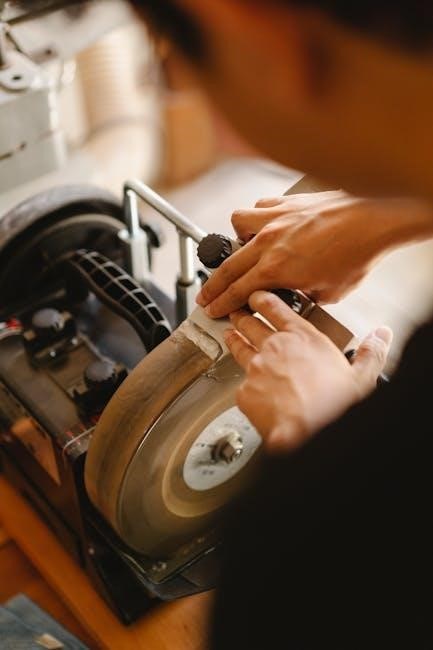
The Craftsman 917.374’s effectiveness relies on its integrated systems, supporting cardiovascular health through controlled physical activity and optimized performance.
Motor Specifications
The Craftsman 917.374 is powered by a robust engine designed for consistent performance. While specific horsepower varies by model year, it generally features a single-cylinder, four-stroke engine. Key specifications include a displacement of approximately 150cc to 200cc, providing ample power for various tasks.
The engine operates on unleaded gasoline with a minimum octane rating of 87. It’s equipped with a recoil start system and often includes an automatic choke for easy starting in different conditions. Regular oil changes, utilizing SAE 30 oil (or as specified in the full manual), are vital for maintaining optimal motor function and longevity. The engine’s design prioritizes reliability and efficient fuel consumption.
Drive System Overview
The Craftsman 917.374 utilizes a self-propelled drive system, enhancing maneuverability and reducing operator fatigue. This system typically features a variable speed control, allowing users to adjust the pace to match the terrain and task. The drive mechanism employs a friction disc or shear pin system to transmit power from the engine to the wheels.
The drive system is designed for both forward and reverse operation, providing increased control. Regular inspection of the drive belt and tires is crucial for optimal performance. Maintaining proper tire pressure ensures efficient power transfer and prevents unnecessary strain on the engine. The system’s robust construction ensures durability and reliable operation across various surfaces.
Control Panel Details
The Craftsman 917.374’s control panel is centrally located for easy access and operation. It typically includes essential controls such as the engine start/stop switch, speed control lever, and attachment engagement mechanisms. Indicator lights provide visual feedback on system status, including low oil levels or potential malfunctions.
The speed control often features multiple settings, allowing for precise adjustments based on the task and terrain. Safety interlocks are integrated into the control panel, preventing operation unless specific conditions are met – such as proper handle engagement. Familiarize yourself with the location and function of each control before operation to ensure safe and efficient use of the machine.

Assembly and Initial Setup
Proper assembly and initial checks are vital for safe operation; carefully unpack all components, verify parts against the inventory list, and confirm fluid levels.
Unboxing and Parts Inventory
Carefully unpack the Craftsman 917.374 from its shipping container, ensuring no damage occurred during transit. Retain the packaging material for potential returns or warranty claims. A comprehensive parts list is included within the manual and should be meticulously compared against the physical components.
Identify all items – including the main unit, handles, wheels, attachments, and hardware (bolts, nuts, washers). Note any missing or damaged parts immediately and contact Craftsman customer support. Do not attempt assembly with incomplete or faulty components.
Organize the parts in a clean, well-lit workspace to facilitate a smooth assembly process. Refer to the exploded diagram in the manual for visual guidance. Accurate inventory is the first step towards successful setup and safe operation.
Attaching Handles and Components
Begin by securely attaching the handles to the main unit, aligning them with the designated mounting points. Use the provided bolts, washers, and nuts, tightening them firmly with the appropriate tools – do not overtighten. Ensure the handles are properly aligned for comfortable and controlled operation.
Next, install any additional components, such as wheels or accessory brackets, following the detailed instructions in the manual. Double-check all connections to guarantee stability and prevent loosening during use.
Proper handle and component attachment is vital for safe and efficient operation. Incorrect assembly can lead to instability, increased vibration, and potential injury. Refer to the diagrams for correct orientation and fastening procedures.
Initial Fluid Level Checks
Before the first use, carefully inspect all fluid levels; Locate the oil dipstick and ensure the oil level is within the recommended range, adding oil as needed – consult the manual for the correct oil type.
Check the fuel tank, ensuring it’s filled with fresh, appropriate fuel. Inspect for any leaks around the fuel cap and fuel lines. Also, verify the coolant level (if applicable), adding coolant if necessary, and checking for leaks.
Maintaining correct fluid levels is crucial for optimal performance and preventing engine damage. Regularly monitoring these levels, as outlined in the maintenance schedule, will extend the lifespan of your Craftsman 917.374.

Operation Instructions
Always prioritize safety when operating this equipment; understand controls, starting procedures, and speed/direction adjustments for effective and controlled performance.
Starting and Stopping the Engine
Before attempting to start the engine, ensure the attachment is disengaged and on a level surface. Verify fuel and oil levels are adequate, and all safety guards are in place. To start, engage the blade/auger control, set the throttle to the appropriate starting position, and firmly pull the starter rope. Allow the engine to warm up before applying a load.
To stop the engine, disengage the blade/auger control, reduce the throttle to idle, and allow the engine to coast to a complete stop. Never abruptly shut off the engine under load, as this can cause damage. Always disconnect the spark plug wire for extended periods of inactivity or maintenance to prevent accidental starting. Regular exercise, like operating this machine, benefits cardiovascular health.
Speed and Direction Control
The Craftsman 917.374 utilizes a variable speed control system, allowing for precise adjustments to match the terrain and task. Forward and reverse direction are controlled via dedicated levers or buttons on the control panel – consult the diagram for specific location. Always start at a slower speed and gradually increase as needed.
Be mindful of your surroundings and ensure a clear path before changing direction or speed. Sudden changes can lead to loss of control. Regular physical activity, including operating this equipment, is beneficial for overall health. Remember that dynamic exercise is particularly good for the heart, but avoid isometric exercises when possible.
Attachment Usage Guidelines
The Craftsman 917.374 is designed for compatibility with a range of attachments, expanding its functionality. Before attaching any implement, always ensure the engine is off and the parking brake is engaged. Refer to the attachment’s specific manual for detailed installation and operational instructions.
Proper attachment use contributes to optimal performance and safety. Regular exercise, like operating this machine, is a key component in preventing cardiovascular disease. Adapt programs to your needs, and remember that consistent physical activity is vital for health and well-being. Avoid sudden movements when attaching or detaching implements.
Maintenance and Service
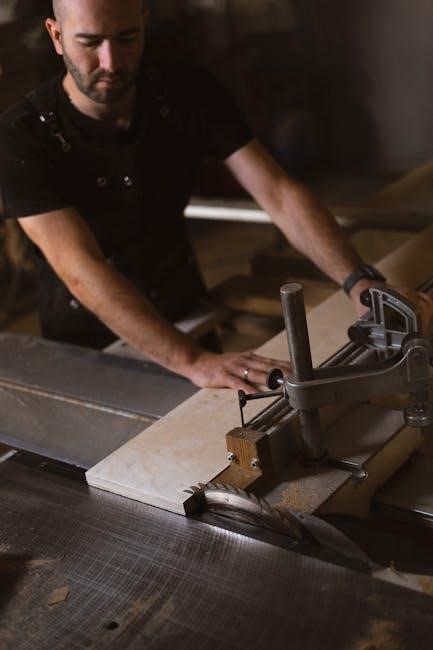
Consistent maintenance is vital for longevity; regular checks of fluid levels, filters, and spark plugs ensure optimal performance and prevent costly repairs.
Regular Maintenance Schedule
To ensure peak performance and extend the lifespan of your Craftsman 917.374, adhere to a consistent maintenance schedule. After every use, inspect for loose bolts and debris. Every 25 hours of operation, check and clean the air filter, and inspect the blade(s) for damage.
A crucial step is the oil change, recommended every 50 hours or annually, whichever comes first. Regularly assess the spark plug condition – clean or replace as needed, typically every 100 hours. Furthermore, inspect drive belts for wear and tear.
Prioritizing these routine checks will minimize potential issues, maintain optimal efficiency, and contribute to a safer operating experience. Remember to consult the full manual for detailed instructions and specific recommendations tailored to your usage conditions.
Oil Change Procedures
Performing regular oil changes is vital for the longevity of your Craftsman 917.374 engine. Begin by warming the engine briefly, then safely shut it down. Locate the oil drain plug and position a suitable container underneath. Carefully remove the plug, allowing the old oil to drain completely.
Once drained, replace the plug with a new one, ensuring it’s tightened securely. Next, locate the oil fill cap and add the recommended oil type and quantity, as specified in the manual. Always check the oil level with the dipstick, avoiding overfilling.
Dispose of the used oil responsibly at a designated recycling center. Consistent oil changes maintain optimal lubrication, reducing wear and tear on engine components.
Air Filter Cleaning and Replacement
Maintaining a clean air filter is essential for optimal engine performance of your Craftsman 917.374. Regularly inspect the air filter for dirt and debris. If it appears lightly soiled, gently tap it to remove loose particles or use compressed air, blowing from the inside out.
For heavily soiled filters, replacement is recommended. Locate the air filter housing and remove the cover. Carefully remove the old filter and install the new one, ensuring a proper seal. A clogged air filter restricts airflow, reducing engine power and efficiency.
Check the filter frequently, especially during dusty conditions, to ensure consistent operation and prolong engine life.
Spark Plug Inspection and Replacement
Regular spark plug inspection is vital for maintaining efficient engine combustion in your Craftsman 917.374. Periodically remove the spark plug and examine the electrode for wear, fouling, or damage. A properly functioning spark plug ensures reliable starting and smooth operation.
If the spark plug is worn or fouled, replacement is necessary. Use the correct spark plug specified for your model. Gap the new spark plug to the manufacturer’s recommended setting before installation. Incorrect gapping can lead to poor performance.
Ensure the spark plug is tightened to the correct torque specification to prevent damage to the engine threads.

Troubleshooting Common Issues
Addressing engine starting problems, drive system malfunctions, and control panel errors promptly ensures optimal performance and extends the lifespan of your Craftsman 917.374.
Engine Starting Problems
If the Craftsman 917.374 engine fails to start, several factors could be at play. First, verify the fuel supply – ensure the tank isn’t empty and the fuel valve is open. A clogged air filter restricts airflow, hindering ignition; cleaning or replacing it is essential.
Check the spark plug for fouling or damage; a faulty spark plug won’t ignite the fuel-air mixture. Low battery charge can also prevent starting, especially in electric-start models. Confirm proper connections and consider charging or replacing the battery.
Finally, examine the safety interlock systems. The engine won’t start if operator presence controls aren’t engaged. Addressing these common issues systematically will usually resolve starting difficulties.
Drive System Malfunctions
Should the Craftsman 917.374’s drive system experience issues, begin by inspecting the drive belt for wear, cracks, or breakage; A damaged belt will prevent proper power transmission to the wheels. Check the drive chain (if applicable) for proper tension and lubrication; a loose or dry chain reduces efficiency.
Examine the wheel hubs and axles for any signs of damage or binding. Obstructions like debris or ice can also impede movement. Verify the engagement lever or switch is functioning correctly, ensuring it fully engages the drive system.
If problems persist, consult the detailed diagrams in this manual for component locations and proper adjustment procedures. Regular maintenance, including lubrication, is key to preventing drive system malfunctions.
Control Panel Errors
If the Craftsman 917.374’s control panel displays an error code, immediately refer to the troubleshooting section of this manual for a comprehensive list of codes and their corresponding solutions. Do not attempt to operate the machine with an active error, as it could lead to further damage or safety hazards.
Common errors may indicate sensor malfunctions, wiring issues, or internal system failures. Check all connections to ensure they are secure and free from corrosion. A reset of the control panel, following the instructions in this manual, can sometimes resolve minor glitches.
For persistent errors, contact a qualified service technician. Attempting self-repair of complex control panel issues may void the warranty and create additional problems.

Advanced Features & Techniques
Optimizing performance requires adapting to terrain and utilizing specialized attachments; understanding diagnostic codes aids in efficient troubleshooting and maintenance procedures.
Optimizing Performance for Different Terrains
Achieving peak performance with your Craftsman 917.374 demands adapting to varying terrains. On softer ground, a slightly slower speed and engaged drive system provide optimal traction, preventing wheel slippage and ensuring efficient operation. Conversely, on harder surfaces, increasing speed and potentially disengaging the drive can minimize strain on the motor and tires.
Consider attachment weight distribution; heavier attachments require reduced speed and careful maneuvering, especially on inclines. Regularly check tire pressure – proper inflation enhances grip and reduces rolling resistance. Remember that consistent monitoring of the machine’s response to different conditions is key to maximizing efficiency and preventing unnecessary wear and tear. Prioritize safety by avoiding overly steep slopes.
Using Attachments for Specialized Tasks
The Craftsman 917.374’s versatility expands significantly with compatible attachments. For snow removal, ensure the blade angle is correctly adjusted to prevent windrowing issues and maximize clearing width. When using a cart attachment, distribute the load evenly to maintain stability and prevent tipping, especially on uneven terrain.
Always verify attachment compatibility and secure locking mechanisms before operation. Reduce speed when utilizing heavier attachments to maintain control and prevent strain on the drive system. Regularly inspect attachments for wear and damage, replacing parts as needed. Remember, proper attachment usage enhances efficiency and extends the lifespan of both the machine and the accessory.
Understanding Diagnostic Codes
The Craftsman 917.374 utilizes a diagnostic code system to pinpoint potential issues. These codes, displayed on the control panel, offer valuable insights into the problem’s source. A flashing code indicates an active fault requiring immediate attention, while a steady code suggests a past issue that may not currently affect operation but warrants investigation.
Refer to the complete code list in the appendix of this manual for detailed explanations of each code and recommended troubleshooting steps. Ignoring diagnostic codes can lead to further damage and costly repairs. Regularly checking for and addressing these codes ensures optimal performance and longevity of your machine.

Safety Features in Detail
Essential safety mechanisms include an emergency stop, blade/auger safeguards, and operator presence controls, designed to minimize risks during operation.
Emergency Stop Mechanism
The Craftsman 917.374 is equipped with a readily accessible emergency stop mechanism, crucial for immediate cessation of operation in unforeseen circumstances. This feature is designed for swift activation, typically involving a large, clearly marked button or lever within easy reach of the operator. Upon activation, the engine and all moving components—including blades or augers—should halt instantaneously.
Regularly test the functionality of the emergency stop to ensure it operates correctly. Familiarize yourself with its location before each use. A properly functioning emergency stop is paramount for operator safety, preventing potential injuries during unexpected events or malfunctions. Never attempt to bypass or disable this critical safety feature. Consistent checks and understanding of its operation are vital.
Blade/Auger Safety Systems
The Craftsman 917.374 incorporates multiple blade/auger safety systems designed to minimize the risk of injury. These systems often include a blade brake, which rapidly stops blade rotation upon operator release or engagement of the emergency stop. Furthermore, a protective housing surrounds the blade or auger, preventing accidental contact during operation.
Always ensure all safety guards and shields are securely in place before starting the machine. Never attempt to operate the 917;374 with missing or damaged safety components. Regularly inspect blades/augers for wear and damage, replacing them as needed. Proper maintenance and adherence to safety guidelines are essential for preventing serious injuries. Understand the function of each safety feature for optimal protection.
Operator Presence Controls
The Craftsman 917.374 utilizes operator presence controls to enhance safety during operation. These controls are designed to immediately disengage the blade or auger when the operator releases the handle or steps away from the machine. This feature prevents accidental operation and reduces the risk of injury.
Familiarize yourself with the location and function of these controls before each use. Never attempt to bypass or disable these safety mechanisms. Regularly inspect the controls to ensure they are functioning correctly. Maintaining a firm grip on the handles while the machine is running is crucial for safe operation. Always prioritize operator safety and follow all instructions.

Warranty Information
The Craftsman 917.374 is covered by a warranty protecting against defects in materials and workmanship, with specific coverage details and claim procedures.
Coverage Details
The Craftsman 917.374 warranty provides coverage for a period of one year from the original purchase date, safeguarding against manufacturing defects in materials and workmanship. This warranty extends to all functional parts of the machine, ensuring reliable performance. However, it’s important to note that wear items, such as belts, blades, and filters, are typically excluded from full coverage, often limited to a 30-day period.
Damage resulting from misuse, improper maintenance, or unauthorized repairs will void the warranty. Proof of purchase is required for all warranty claims. The warranty is non-transferable and applies only to the original purchaser. Craftsman reserves the right to repair or replace defective parts at their discretion.
Claim Procedures
To initiate a warranty claim for your Craftsman 917.374, first gather your original proof of purchase and a detailed description of the defect. Contact Craftsman customer support via phone or their official website to obtain a Return Merchandise Authorization (RMA) number. Shipping costs for returning the defective part are typically the responsibility of the customer, unless specifically stated otherwise by Craftsman.
Pack the item securely to prevent further damage during transit. Include the RMA number clearly visible on the package. Craftsman will inspect the returned part and, if the claim is approved, will either repair or replace it. Allow several weeks for processing and return shipping. Retain all documentation related to your claim for your records.
Limitations and Exclusions
The Craftsman 917.374 warranty does not cover damage resulting from misuse, abuse, neglect, accidents, or alterations. Normal wear and tear, including routine maintenance items like belts, blades, and filters, are also excluded. Damage caused by improper storage, unauthorized repairs, or using the machine for purposes other than intended voids the warranty.
Furthermore, the warranty is limited to the original purchaser and is non-transferable. Any consequential or incidental damages are specifically excluded. Craftsman reserves the right to make changes to the warranty terms without prior notice. Always refer to the complete warranty documentation for a comprehensive understanding of coverage details and exclusions.