
Article Plan: Nevada Driving Manual
Navigating Nevada’s winter roads demands preparation and skill; this manual provides crucial guidance on vehicle checks, safe driving techniques, and emergency protocols.
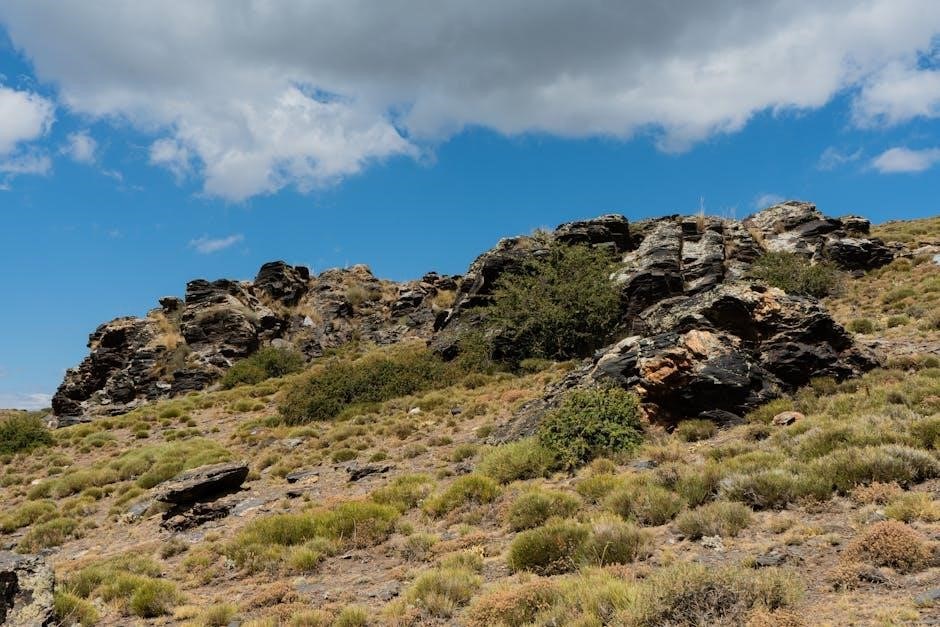
Nevada’s diverse terrain presents unique winter driving challenges, ranging from light snow in valleys to blizzard conditions in mountainous areas. This section introduces the heightened risks associated with reduced traction, limited visibility, and rapidly changing weather patterns. Prior preparation is paramount; ensuring your vehicle is winter-ready and understanding safe driving techniques are essential for a secure journey.
Remember to always increase following distances, reduce speed, and utilize appropriate lighting. Maintaining a full fuel tank is also recommended before embarking on a trip. Familiarize yourself with Nevada’s road condition alerts and chain control regulations to avoid unexpected delays and ensure your safety. Smooth driving, gentle maneuvers, and awareness of your surroundings are key to navigating snowy and icy roads effectively.
Understanding Nevada’s Winter Road Conditions
Nevada’s winter road conditions are categorized using a color-coded system: Green indicates normal conditions, Yellow signifies caution with potential for snow or ice, Red mandates chain or snow tire use, and Black represents complete road closure. These levels dictate travel restrictions and safety precautions. Road surfaces can transition rapidly between these states, demanding constant vigilance.
Factors like elevation, wind direction, and precipitation intensity significantly influence road conditions; Black ice, a thin, transparent layer of ice, is particularly hazardous as it’s often invisible. Always respect posted speed limits, especially those designated for vehicles with chains. Prioritize safety by increasing following distance and driving smoothly to maintain control on slick surfaces.
Pre-Trip Vehicle Inspection for Snow
A thorough pre-trip inspection is vital for winter driving safety. Begin by checking all fluid levels – oil, coolant, and especially windshield washer fluid, utilizing a winter-specific formula. Inspect tire condition, ensuring adequate tread depth and proper inflation; low pressure reduces traction. Assess battery health, as cold temperatures diminish battery performance.
Don’t overlook wiper blades; replace worn blades for clear visibility. Verify proper operation of all lights, including headlights and fog lights. Before departing, review brakes and steering responsiveness. A well-maintained vehicle significantly enhances safety and reduces the risk of breakdowns in challenging winter conditions, ensuring a smoother journey.
Checking Fluid Levels (Oil, Coolant, Washer Fluid)
Maintaining optimal fluid levels is paramount before winter travel. Begin with engine oil, ensuring it’s at the recommended level for cold-weather performance. Next, inspect the coolant level; a proper coolant-to-water ratio prevents freezing and protects the engine. Critically, prioritize windshield washer fluid – utilize a winter-specific blend designed to remain effective at sub-freezing temperatures.
Regularly topping off washer fluid is essential for visibility. Check for leaks around fluid reservoirs. Low fluid levels can lead to engine damage or impaired visibility, compromising safety. A proactive approach to fluid maintenance ensures reliable vehicle operation throughout the winter season.
Tire Condition and Pressure for Snow
Adequate tire condition and pressure are vital for winter driving safety. Examine tire tread depth; sufficient tread provides the necessary grip on snowy or icy surfaces. Tires with worn tread significantly reduce traction, increasing stopping distances and the risk of skidding. Check tire pressure regularly, as it decreases in cold weather.
Lower temperatures cause air to contract, reducing tire pressure. Underinflated tires compromise handling and fuel efficiency. Consult your vehicle’s owner’s manual for recommended tire pressure. Consider winter tires for optimal performance in severe snow conditions; they offer enhanced grip and braking capabilities compared to all-season tires.
Battery Health in Cold Weather
Cold temperatures significantly impact battery performance. Chemical reactions within the battery slow down, reducing its ability to deliver sufficient power to start the engine. A fully charged battery is less susceptible to cold-weather issues, but even a healthy battery can lose up to one-third of its cranking power at 0°F (-18°C).
Have your battery tested before winter arrives to ensure it’s in good condition. Regularly check for corrosion around the terminals and clean them if necessary. If your battery is old or weak, consider replacing it proactively. Keep the battery charged by avoiding short trips that don’t allow it to fully recharge.
Wiper Blade Inspection and Replacement
Clear visibility is paramount during winter storms, and functional wiper blades are essential. Inspect your wiper blades regularly for cracks, tears, or wear. Streaking or smearing on the windshield indicates it’s time for replacement. Don’t wait until you’re caught in a blizzard with ineffective wipers!
Consider winter-specific wiper blades designed to resist ice buildup and provide better performance in snowy conditions. Ensure the wiper fluid reservoir is full with a winter-formulated solution that won’t freeze. Replace blades at least twice a year, or more frequently if you drive often in harsh winter weather. A small investment in new blades can significantly improve safety.
Essential Equipment for Winter Driving
Preparing your vehicle with the right equipment is crucial for safe winter travel in Nevada. Beyond standard items, several additions can make a significant difference. Snow chains are often legally required in mountainous areas during severe weather, so familiarize yourself with Nevada’s chain control regulations and practice installation before you need them.
Winter tires offer superior traction in snow and ice compared to all-season tires. An emergency kit is non-negotiable, including items like a flashlight, blankets, warm clothing, a first-aid kit, jumper cables, and non-perishable food. Consider carrying a shovel, ice scraper, and sand or kitty litter for traction.
Snow Chains: Types and Installation
Nevada roads frequently necessitate the use of snow chains during winter storms. Several types exist, including cable chains, ladder chains, and diamond-pattern chains, each offering varying levels of traction and ease of installation. Cable chains are generally easier to install but provide less grip than ladder chains.
Proper installation is paramount for safety and preventing vehicle damage. Always consult your vehicle’s owner’s manual for specific instructions. Ensure chains are securely fastened and have adequate clearance from brake lines and other components. Practice installation before encountering snowy conditions. Respect speed limits when chains are in use, and be aware of chain control regulations along your route.
Winter Tires: Benefits and Regulations
Winter tires, distinguished by their unique tread patterns and rubber compounds, offer superior grip and braking performance on snow and ice compared to all-season tires. They remain flexible in cold temperatures, maintaining traction where all-season tires stiffen. Investing in winter tires significantly enhances safety during Nevada’s harsh winters.
Nevada regulations regarding winter tires often align with chain control requirements; In some areas, possessing winter tires meeting specific criteria (e.g., the “mountain snowflake” symbol) may exempt drivers from mandatory chain restrictions. However, always verify current regulations before traveling, as conditions can change rapidly. Proper tire pressure is crucial for optimal winter tire performance; check it regularly.
Emergency Kit Contents (Nevada Specific)
A well-stocked emergency kit is paramount for Nevada winter driving, given the potential for remote locations and severe weather. Essential items include warm clothing (hats, gloves, blankets), a flashlight with extra batteries, a first-aid kit, and non-perishable food and water for at least 72 hours. Consider including a shovel, ice scraper, and jumper cables.
Nevada-specific additions are crucial: a brightly colored distress flag, sand or kitty litter for traction, and extra windshield washer fluid formulated for freezing temperatures. A fully charged portable power bank for cell phones is vital, as is a map (cell service can be unreliable). Inform someone of your travel route and estimated arrival time, and regularly check weather forecasts before and during your trip.
Safe Driving Techniques in Snow

Mastering safe driving techniques is critical when encountering snow and ice in Nevada. Significantly reduce your speed and increase following distance to allow ample time for braking. Gentle acceleration, braking, and steering are essential – avoid sudden movements that can lead to skidding. Utilize lower gears for enhanced control, particularly when ascending or descending hills.
Smoothness is key; avoid abrupt actions. Be aware that bridges and overpasses freeze quicker than roadways. Scan the road ahead for potential hazards and anticipate stops. Remember to maintain a heightened level of alertness and focus, as visibility can be severely reduced. Prioritize a slow, controlled pace over speed, ensuring a safer journey.

Reducing Speed and Increasing Following Distance
Slowing down is paramount when driving in Nevada’s snowy conditions. Reduce your speed significantly below the posted limit, as stopping distances increase dramatically on slick surfaces. Increase your following distance to at least eight to ten seconds – a much greater gap than in dry conditions. This extended space provides crucial reaction time if the vehicle ahead brakes suddenly.

Anticipate potential hazards and adjust your speed accordingly. Remember that even a slight tap of the brakes can cause a skid. Maintaining a slower speed and a larger following distance allows for smoother, more controlled maneuvers, minimizing the risk of collisions and enhancing overall safety on winter roads.
Gentle Acceleration, Braking, and Steering
Abrupt movements are a recipe for disaster on snowy Nevada roads. Apply acceleration, braking, and steering inputs with utmost gentleness. Avoid sudden bursts of speed, harsh braking, or sharp turns, as these can easily upset the vehicle’s balance and induce a skid. Smooth, gradual actions are key to maintaining control.
When braking, apply steady, even pressure. Steer smoothly and deliberately, avoiding jerky motions. Remember that the tires have less grip in snow, so even small adjustments can have a significant effect. Prioritize controlled, predictable movements to navigate safely through winter conditions and prevent loss of traction.
Using Lower Gears for Better Control
Employing lower gears is a fundamental technique for enhanced control on Nevada’s snow-covered roads. Selecting a lower gear provides increased engine braking and reduces the likelihood of wheel spin. This is particularly crucial when descending hills or approaching intersections. Lower gears allow for smoother acceleration and deceleration, minimizing the risk of losing traction.
Avoid overdrive or high gears, as they can cause the vehicle to surge or struggle for power. Manual transmission drivers should downshift proactively, while automatic transmission drivers can utilize lower gear selections. This practice maximizes engine control and helps maintain a consistent, manageable speed, ultimately improving safety during winter driving conditions.
Nevada Road Condition Alerts and Restrictions
Staying informed about Nevada’s road conditions is paramount for safe winter travel. The Nevada Department of Transportation (NDOT) utilizes a color-coded system to indicate road status: Green (normal), Yellow (caution, be prepared for adverse conditions), Red (travel not advised), and Black (road closed). These levels dictate potential restrictions, including chain controls.
Chain control regulations require vehicles to install tire chains when specified, often indicated by roadside signage. Understanding these signs and adhering to the regulations is legally mandated and crucial for safety. NDOT provides real-time updates via its website, mobile app, and highway advisory radio. Always check conditions before departing and be prepared to adjust travel plans accordingly.

Understanding Nevada Road Condition Levels (Green, Yellow, Red, Black)
Nevada employs a clear color-coded system to communicate road conditions during winter weather. A Green level signifies normal conditions, allowing for safe travel without special precautions. Yellow indicates caution; be prepared for snow or ice, reduced visibility, and potentially slower speeds. A Red level advises against travel due to hazardous conditions – expect significant snow, ice, or limited visibility.
The most severe level, Black, signifies a complete road closure. Travel is prohibited until conditions improve and the road is reopened by NDOT. These levels often trigger chain control requirements. Regularly monitoring NDOT’s updates is vital, as conditions can change rapidly. Prioritize safety and avoid travel during Red or Black levels.
Chain Control Regulations and Signage
Nevada’s chain control regulations are strictly enforced to ensure safety during winter storms. Chain requirements vary based on road conditions and are indicated by roadside signage. These signs display specific requirements – such as “Chains Required on All Vehicles Except 4WD/AWD” or “Snow Tires Acceptable.” It’s crucial to understand these distinctions.
Signage typically includes “Chain Required” or “Chain/Snow Tire Required.” Always carry chains, even if you have a 4WD/AWD vehicle, as conditions can change. Respect posted speed limits when chains are in use. Improperly installed chains can damage your vehicle and create hazards. Familiarize yourself with installation procedures before encountering chain control areas.
Dealing with Skidding and Loss of Traction
Skidding on snow or ice is a serious hazard; understanding how to react is vital. The first instinct is often to brake hard, but this can worsen the situation. If your vehicle begins to skid, ease off the accelerator and brake pedal. Steer gently in the direction you want the front of the car to go – this is known as corrective steering.
Vehicles equipped with ABS (Anti-lock Braking System) allow you to maintain steering control while braking. Apply firm, steady pressure to the brake pedal; do not pump the brakes. For vehicles without ABS, gently pump the brakes to avoid locking the wheels. Remember to remain calm and avoid sudden movements, as these can exacerbate loss of control.

Corrective Steering Techniques
When a vehicle skids, the natural reaction is often to steer against the skid, but this is incorrect. Corrective steering involves gently steering in the direction of the skid. For example, if the rear of your car is sliding to the right, steer gently to the right. This helps regain control by aligning the wheels with the direction of travel.
Avoid overcorrecting, as this can induce a counter-skid and loss of control. Maintain a light grip on the steering wheel and make small, deliberate adjustments. Simultaneously, ease off the accelerator and brakes to allow the tires to regain traction. Practice this technique in a safe, open area to build muscle memory and confidence. Remember, smooth and controlled steering is key to recovering from a skid.
Braking with ABS in Snowy Conditions
Vehicles equipped with Anti-lock Braking Systems (ABS) behave differently on slippery surfaces. When braking hard in snow or ice, apply firm and steady pressure to the brake pedal. You may feel a pulsating sensation – this is the ABS working to prevent wheel lockup. Do not pump the brakes! Pumping disengages the ABS and reduces braking effectiveness.
Maintain firm pressure and allow the ABS to do its job. Steer in the direction you want to go while braking. Remember that ABS does not shorten stopping distances; it helps maintain steering control during braking. Even with ABS, reduce your speed significantly and increase following distance in snowy conditions. Practice using your ABS in a safe, controlled environment to understand its function.
Visibility in Snowstorms

Reduced visibility is a primary hazard during Nevada snowstorms. Always activate your headlights, even during daylight hours, to enhance your vehicle’s visibility to others. Fog lights, if equipped, can further improve visibility in heavy snow or fog, but remember to deactivate them when conditions improve to avoid glare for oncoming drivers.
Prioritize clearing all snow and ice from windows and mirrors before starting your journey. A small peephole is insufficient; ensure a completely clear view. Use an ice scraper or defroster to remove obstructions. Regularly clear accumulating snow during longer trips. Slow down significantly and be prepared to pull over if visibility becomes severely limited;
Using Headlights and Fog Lights
Headlights are crucial for visibility in snowy conditions, even during daylight. Nevada law requires their use when visibility is reduced due to weather. Ensure headlights are clean and functioning correctly before travel. Use low beams in falling snow; high beams reflect off snowflakes, worsening visibility.
Fog lights, if your vehicle has them, provide additional illumination in heavy snow or dense fog. However, they should be used judiciously. Deactivate fog lights when visibility improves to avoid creating glare for other drivers. Remember, fog lights are supplemental and do not replace the need for reduced speed and increased following distance.
Clearing Snow and Ice from Windows and Mirrors
Complete visibility is paramount for safe winter driving in Nevada. Before starting your journey, thoroughly clear all snow and ice from windows, mirrors, and headlights. A small peephole is insufficient and illegal. Use an ice scraper or snow brush – never hot water, as it can crack the glass.
Ensure your windshield wipers are in good condition and clear of ice before activating them. Regularly clear any accumulated snow during your drive, especially on longer trips. Don’t forget side mirrors and rear window; obscured visibility significantly increases the risk of accidents. Prioritize this step; it’s a critical safety measure.
Specific Considerations for Electric Vehicles in Snow
Electric vehicles (EVs) present unique challenges in snowy Nevada conditions. Battery performance can decrease significantly in cold weather, reducing range. Pre-condition the battery while plugged in to maximize capacity before departure. Increased energy consumption is expected due to heating systems and winter tires.
Regenerative braking may be limited or disabled on slippery surfaces to prevent loss of control. Be mindful of this change in braking feel. EVs are often heavier than comparable gasoline vehicles, potentially affecting handling. Prioritize gentle acceleration and braking, and maintain increased following distances. Monitor battery levels closely during extended winter drives.
Post-Storm Driving Precautions
Even after a storm subsides, Nevada roads can remain treacherous. Black ice, a thin, transparent layer of ice, is particularly dangerous and difficult to detect. Exercise extreme caution on bridges and overpasses, as they freeze faster. Be aware of downed power lines and debris, reporting any hazards to authorities immediately.
Visibility may still be reduced due to lingering snow or blowing drifts. Continue using headlights and fog lights. Check your vehicle frequently for ice buildup, especially on mirrors and sensors. Allow extra time for your commute, and avoid unnecessary travel until conditions improve significantly. Remember, patience and caution are key to safe post-storm driving.