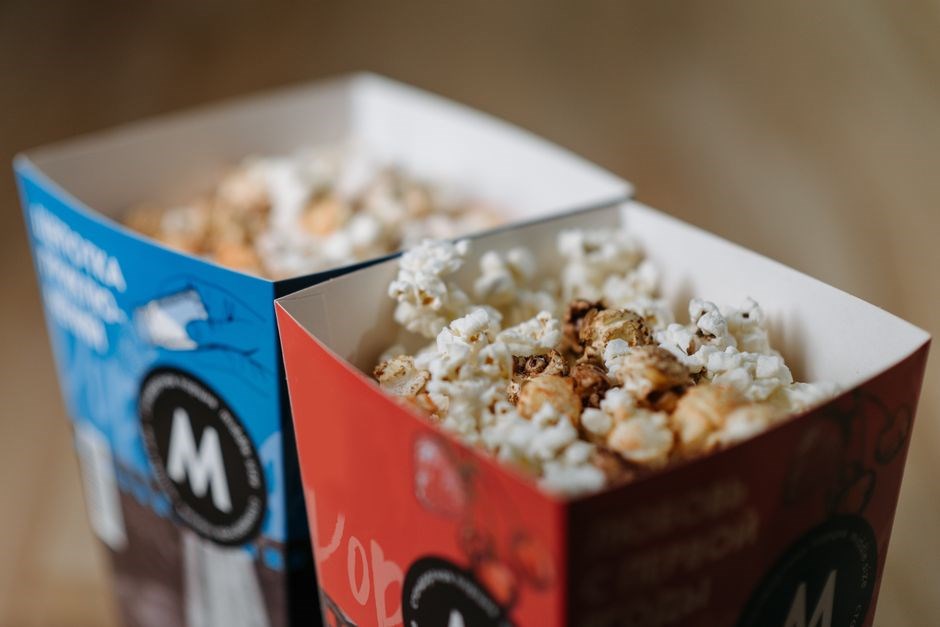
The red silicone popcorn popper offers a vibrant, user‑friendly way to microwave popcorn. Its flexible bowl holds kernels up to the marked line, and a built‑in lid keeps steam contained. Designed for quick, mess‑free snacking, it’s ideal for families and movie nights. It stays cool, so cleanup is easy
Product Overview and Key Features
The red silicone popcorn popper features a heat‑resistant bowl with a double‑lined capacity indicator. Its collapsible silicone and vented lid keep steam in. Add kernels, a light oil coating, season, microwave, and enjoy a mess‑free snack. in minutes.quickly.
Safety Precautions and Initial Preparation
Never microwave an empty popper; it may damage the oven. Use fresh kernels stored airtight. Microwave no longer than 90 seconds without popping, then stop. Silicone stays hot—use an oven mitt and lift by the base; lid grips only for removal. each time
Inspecting the Silicone Bowl for Damage
Before each use, examine the silicone bowl for any signs of wear that could compromise safety or performance. Start by looking for visible cracks or splits along the rim, base, or lid. Even a hairline fissure can allow hot steam to escape, increasing the risk of burns or uneven popping. Next, feel the surface with your fingertips; a smooth, flexible feel indicates the silicone has retained elasticity. If the bowl feels stiff or has a hard spot, this may signal degradation or a manufacturing defect.
Check the color and texture of the bowl’s interior. A uniform, bright hue suggests the silicone is intact, while a dull or mottled appearance might indicate oxidation or exposure to high temperatures. Inspect the lid’s seal area for any gaps or missing silicone that could prevent a proper seal during microwaving. A compromised seal can lead to steam leakage and uneven popping.
Finally, look for any residue or buildup of old kernels or oils. Clean the bowl with warm, soapy water and a soft sponge, then rinse thoroughly. Residue can clog the bowl’s surface and affect heat distribution. If you notice any of the above issues, discontinue use and contact the manufacturer for a replacement or refund.
Also, gently tap the bowl’s sides and base; a hollow sound indicates proper thickness, while a dull thud may signal thinning. Inspect the lid’s silicone gasket for tears; a smooth seal ensures heat distribution. Store the popper in a dryvery place to avoid moisture damage.
Essential Safety Warnings Before Microwaving
Before you begin, read the manufacturer’s instructions and ensure the popper is free of cracks or soft spots. Place the bowl on a stable, heat‑resistant surface inside the microwave; avoid uneven or slanted positions that could cause the silicone to shift during heating. Never microwave the bowl empty—without kernels the silicone can overheat, warp, or even melt, posing a fire risk and damaging the microwave interior. Keep the lid firmly closed while the popcorn pops; an open lid allows steam to escape, potentially scorching the microwave walls or creating a mess. Do not exceed the two‑teaspoon oil limit marked on the product; excess oil can ignite, produce smoke, or leave a greasy residue that is difficult to clean. Use only fresh, non‑dried kernels; dry kernels may not pop correctly, leading to uneven heating and a higher chance of overheating the silicone. Do not leave the microwave unattended while the popper is in use; a sudden burst of heat can cause the bowl to become too hot to touch, and the lid may pop off, creating a safety hazard. After microwaving, allow the popper to cool for at least 30 seconds before handling; silicone retains heat for a long time, and touching it too soon can cause burns. When removing the bowl, use oven mitts or a towel to protect your hands, and always lift by the base, not the lid, to avoid pulling the silicone away from the microwave. Finally, inspect the bowl for any cracks or soft spots before each use; damaged silicone can release harmful chemicals or fail during heating. By following these precautions, you can enjoy a safe, mess‑free popcorn experience every time. If you notice any discoloration, warping, or a change in texture, discard the popper immediately and replace it with a new one. Also, avoid using metal utensils or sharp objects to stir the kernels, as they can puncture the silicone. Keep children and pets away from the microwave during operation, and ensure the door is fully closed to prevent accidental exposure to hot steam. For best results, store the popper in a cool, dry place after use, and wipe it with a damp cloth before drying. Remember that each microwave model may have different power settings; adjust the time accordingly to avoid overcooking or undercooking the popcorn.
Measuring Kernels and Oil
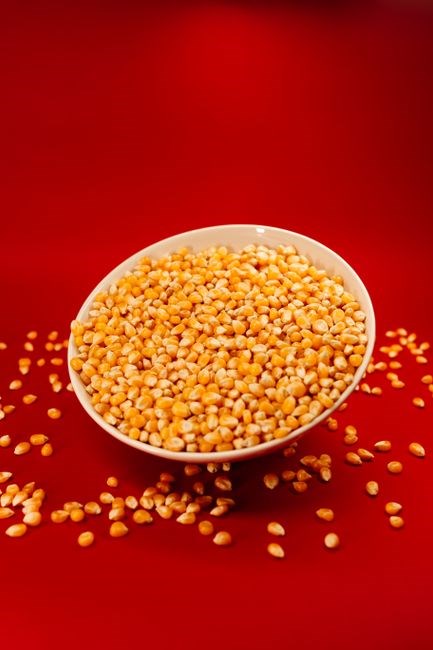
Measure kernels by volume, using a standard measuring cup or a kitchen scale. Pour them into the silicone bowl up to the marked line, ensuring even distribution. Use a small spoon to add a light drizzle of oil, just enough to coat the kernels lightly before microwaving. And enjoy a crisp snackfor quick.
Recommended Kernel Quantity per Batch
When using the red silicone popcorn popper, the manufacturer marks two volume lines inside the bowl. The lower line is intended for a “small” batch, while the upper line accommodates a “large” batch.
Because the silicone material expands slightly when heated, it is wise to leave a small margin of air above the kernels.
Several community sources, including a popular Reddit thread, confirm that filling the bowl to the second (upper) line works well when paired with the suggested 2 teaspoons of oil.
In summary, aim for ¼ cup of kernels for a single‑serve snack, or up to ½ cup for a family‑size portion, never exceeding the upper line marked inside the silicone bowl. This guideline maximizes pop‑rate, minimizes burnt pieces, and protects the popper from deformation.
To fine‑tune the kernel amount, weigh the seeds before loading. One ounce (28 g) of kernels yields roughly 8 cups of popped corn and fits comfortably between the lower and upper markers. If you prefer metric measurements, 30 ml of kernels is a safe starting point for a small batch. Adjust the quantity gradually: adding more than the upper line may cause the silicone to stretch and can result in uneven heat distribution, while using too few kernels reduces the steam needed for optimal expansion. For best results, keep the bowl level on the microwave turntable and avoid shaking the popper during cooking, as movement can dislodge kernels from the measured line. Use medium power for even popping now;

Maximum Oil Amount and Suitable Types
When using a red silicone popcorn popper, the oil quantity is a critical factor for both flavor and safety. Most manufacturers recommend no more than two teaspoons (approximately 10 milliliters) of oil per batch. This limit prevents excessive heat buildup that could scorch the silicone surface or cause the bowl to warp. If you prefer a richer taste, you can increase the amount slightly, but it is best not to exceed three teaspoons (≈15 ml). Using too much oil not only risks damaging the popper but also leads to a greasy, unevenly popped snack.
Choosing the right oil type is equally important. Light‑flavored oils such as canola, sunflower, or grapeseed have high smoke points (around 400 °F/204 °C) and impart a neutral taste that lets seasonings shine. Olive oil, while heavy, has a lower smoke point and can leave a distinct taste; it is suitable for those who enjoy a Mediterranean twist. For a classic buttery flavor, a small amount of clarified butter or ghee can be added after popping, as these fats do not burn as quickly. Avoid using heavy, low‑smoke oils like butter or coconut oil directly in the popper, as they can scorch and leave a sticky residue that is difficult to clean.
To maintain the longevity of the silicone, always rinse the bowl with warm, soapy water after each use, especially if oil was added. Dry the bowl thoroughly before storing to prevent mold growth. By sticking to the recommended oil volume and selecting high‑smoke‑point oils, you can enjoy crisp, flavorful popcorn while keeping your popper in pristine condition for years.
Enjoy a quick, mess‑free snack every time daily!.

Step‑by‑Step Popping Procedure
Fill the bowl to the lower line with kernels, add 2 tsp oil, sprinkle seasonings, and close the lid. Microwave on high for 2‑3 minutes, pausing at 90 seconds if no pop. When popping slows, stop, let stand 30 s, then carefully lift the bowl with mitts. Enjoy now!!
Loading Kernels, Oil, and Seasonings
Begin by pouring fresh popcorn kernels into the bowl until they reach the second (lower) line. This line marks the safe maximum for a small batch; for larger portions, use the upper line. Next, add exactly two teaspoons of oil—olive, canola, or a light‑flavored variety—to coat the kernels lightly. If you prefer a dry pop, spray a fine mist of olive oil from a bottle, then lightly dust with Flavacol or your chosen seasoning blend. A half‑teaspoon of Flavacol, a pinch of salt, or a dash of paprika works well. Stir gently to distribute the oil and seasonings evenly. Avoid over‑filling; excess kernels can spill when the popper heats. When the bowl is loaded, close the lid securely, ensuring the silicone seal is intact. This preparation step guarantees a consistent, flavorful result while keeping cleanup minimal.
Setting Microwave Power and Timing
To get the best results with the red silicone popcorn popper, start by setting your microwave to a medium‑high power level—typically 70–80% of the maximum output. Place the popper on the turntable, close the lid, and set a timer for 2 minutes. If your microwave has a “popcorn” preset, use it but keep an eye on the popping rhythm. The first few seconds will produce a rapid burst; when the interval between pops stretches to about 2–3 seconds, stop the microwave immediately to avoid burning. If no popping occurs within 90 seconds, turn off the microwave, remove the popper with oven mitts, and check that the bowl is not empty. For larger batches, increase the time by 15–20 seconds per additional 1/4 cup of kernels, but never exceed 3 minutes total. Always keep the popper in the center of the microwave to ensure even heating, and never leave the microwave unattended while the popcorn is cooking; After the popper is removed, let it cool for a minute before opening the lid to release steam safely. This method balances power, timing, and safety for a perfect batch of popcorn every time. For best flavor, sprinkle a light dusting of salt or your favorite seasoning immediately after popping, then gently shake the popper to distribute evenly. If you notice a lingering crackling sound after the timer ends, pause the microwave for a few seconds to let the heat dissipate before opening the lid.
Removing the Popper Safely After Popping
When the popping stops, wait 10–15 seconds before opening the microwave. The bowl and lid can still be hot, and the steam inside can cause burns. The silicone can flex and release hot steam. Use a heat‑resistant glove or an oven mitt to hold the popper by the base, never by the lid or handle, as the silicone can flex and release hot steam. Gently lift the lid, allowing any remaining steam to escape slowly. If the popper feels too hot to touch, let it cool for a minute or two before handling carefully!
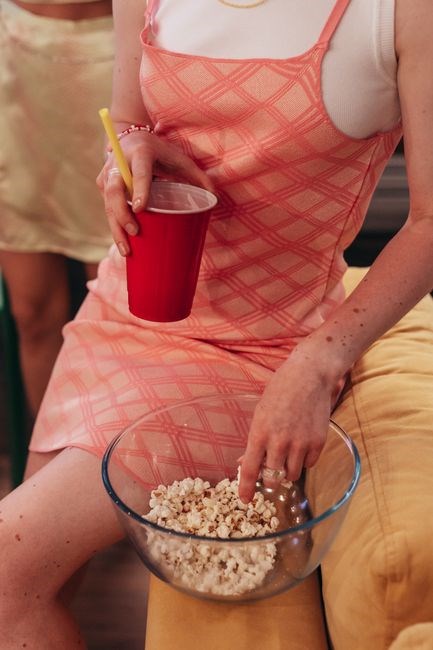
Once the bowl is cool enough, carefully tilt it to pour the popcorn into a bowl or container. If you used a small amount of oil or seasoning, sprinkle a light dust of salt or Flavacol after pouring. Avoid leaving the popper in the microwave for extended periods; the silicone can retain heat and potentially damage the appliance or cause a fire hazard.
After use, rinse the bowl with warm water and a mild dish soap. Avoid abrasive scrubbers that could scratch the silicone surface. Dry thoroughly before storing. If you notice any cracks or discoloration, discontinue use immediately, as damaged silicone can release harmful particles during heating.
For extra safety, keep a small bowl of water nearby to help absorb any stray steam. Never leave the microwave unattended while the popper is still inside. If you hear a sudden burst of noise after the timer ends, it may indicate a stuck kernel; open the microwave carefully to prevent a sudden release of hot steam.
When storing, place the popper on a flat, heat‑proof surface; Avoid stacking heavy objects on top, which could deform the silicone. Label the popper with the date of last use to track freshness of stored kernels.
Remember that silicone can degrade over time, especially with repeated high‑temperature exposure. Inspect the bowl annually for signs of wear, and replace it if the surface feels uneven or if the color has faded significantly.
Troubleshooting and Care
When kernels fail to pop, check that the bowl is not overfilled and that oil stays below 2 tsp. If the popper scorches, remove it with oven mitts and let it cool; avoid touching the silicone. Clean the bowl with warm, soapy water and dry thoroughly before reuse. Store in a dry place. Keep it drydaily.
Common Problems: No Pop or Burning
When a red silicone popcorn popper fails to pop or produces burnt kernels, several factors may be at play. First, using stale or improperly stored kernels can result in low moisture content, causing the popcorn to remain unpopped. Store kernels in an airtight container at room temperature and use within a month of opening. Second, the amount of oil is critical; too little oil means insufficient heat transfer, while too much can cause scorching. The manufacturer recommends no more than two teaspoons of oil for a standard batch. Third, microwave power settings vary by model; a high‑power setting may cause rapid overheating, whereas a lower setting may not reach the 180 °C threshold needed for popping. Use a medium‑high setting and monitor the first 30–40 seconds. Fourth, the silicone bowl’s capacity must not be exceeded. Overfilling the bowl beyond the lower line can trap excess moisture, leading to soggy or unpopped kernels. Finally, ensure the microwave door is fully closed and the popper is placed centrally. Misalignment can cause uneven heating and uneven popping. If you notice a strong burning odor, pause the microwave immediately, remove the popper with oven mitts, and allow it to cool before inspecting for any stuck kernels or excess oil. Addressing these variables will help you achieve consistent, flavorful popcorn without waste or damage.
By following these guidelines, users can enjoy a safe, tasty snack while preserving the integrity of their silicone popper.
Remember that the silicone material can retain heat for several minutes after use; always use a heat‑resistant glove when handling the bowl. If you encounter persistent popping issues, consider cleaning the bowl with warm soapy water and rinsing thoroughly to remove any residual oil or kernel fragments that may interfere with heat distribution.
Test fresh kernels, all set.